School’s Out, Lamps On: A Family Sitting Room That Still Feels Like a Sitting Room
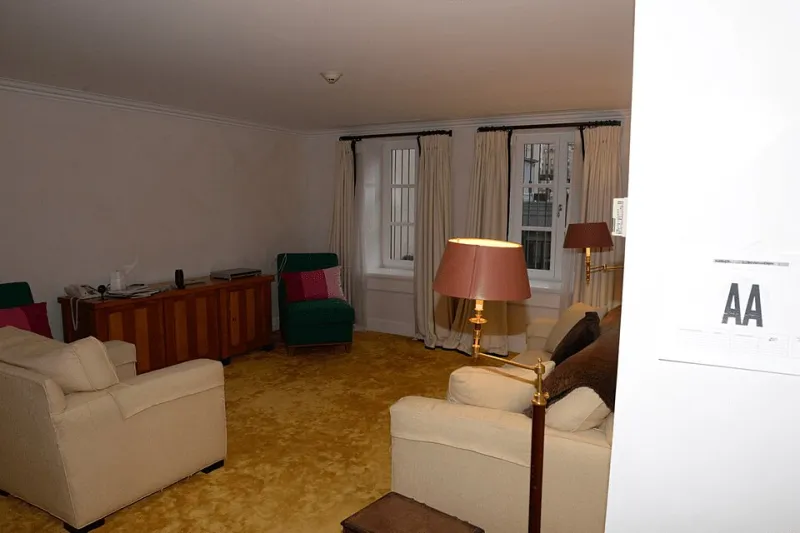
Photo: Federal Bureau of Investigation, Public domain, via Wikimedia Commons
There is a particular hour in a British winter when the sitting room stops being yours. The school run lands, coats hit the bench, someone wants toast, someone else needs a worksheet signed, and the telly is somehow already on. By 4pm the daylight has packed up and the overhead light comes on — and suddenly the room feels less like a place to sink into and more like a waiting area with a sofa.
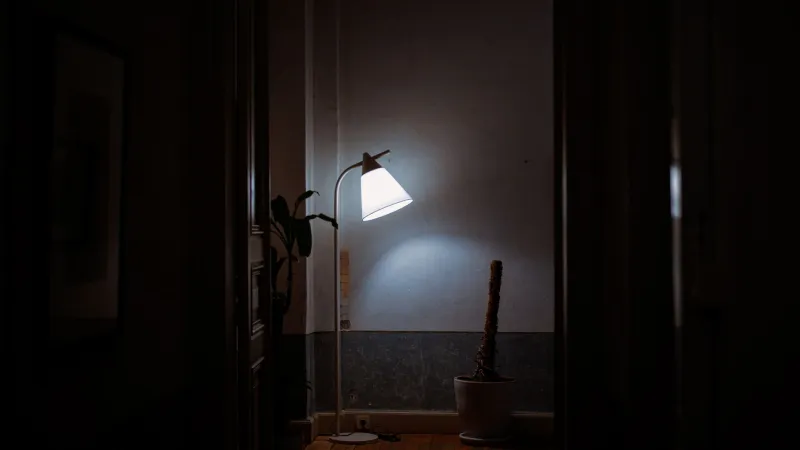
A single designer floor lamp can fix a lot of that. Not by turning the room into a study, but by giving the after-school hour its own pool of light: warm enough to be comforting, directed enough to be useful, and low enough that the ceiling stays out of it.
Start with the chair, not the ceiling
Before you shop for a lamp, look at where the homework actually happens. In most family sitting rooms it is the sofa, the armchair, or a small table pulled up near one of them. That is where the light should begin.
A good starting point is to place the floor lamp just behind and to one side of the main seat or homework table — not dead centre, and not in front of anyone. If a right-handed child is writing at a table, put the lamp to their left so the light falls across the page rather than casting their hand’s shadow over it. If the table is beside the sofa, tuck the lamp between the sofa arm and the table so it serves both without becoming an obstacle.
This is the elbow rule in practice: the lamp should sit roughly where an elbow would land if you were reaching for a cup of tea. Close enough to be useful, far enough back that nobody knocks it every time they stand up.
Aim the shade at the paper, not the telly
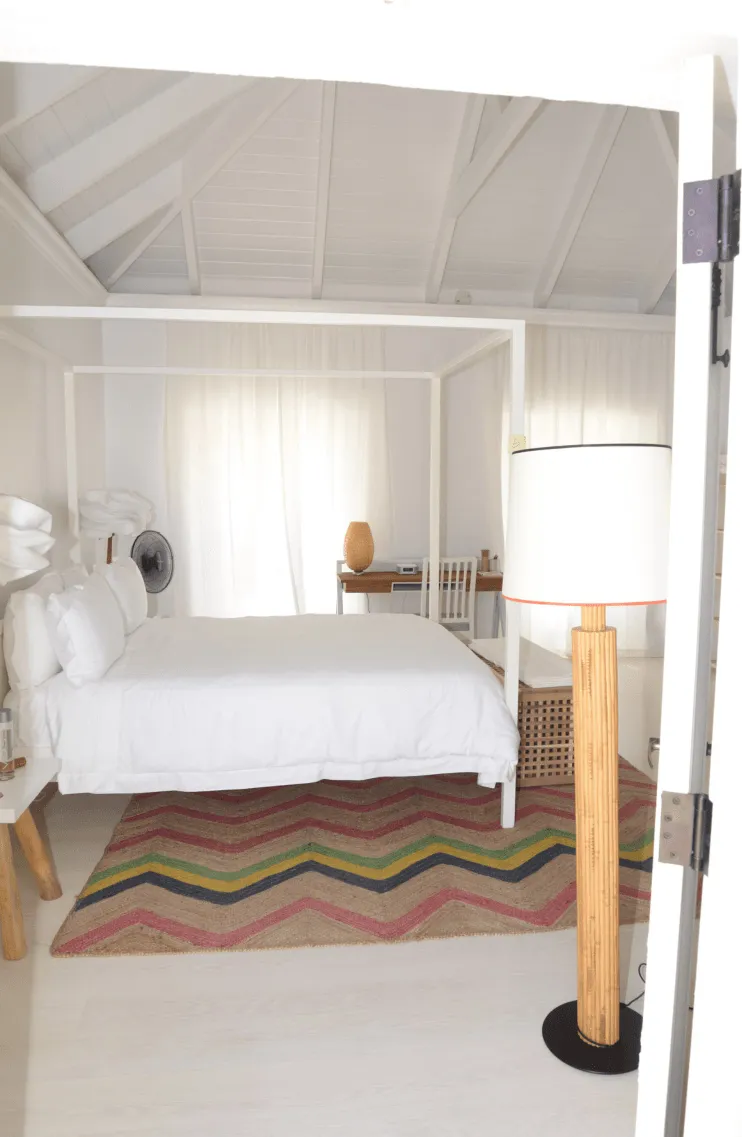
Shade direction matters more than most buyers expect. A floor lamp with an adjustable head can be angled down towards a homework table or a lap, which gives you task light without flooding the whole room. A fixed drum shade will spread light more softly in every direction, which is lovely for conversation but less precise for fractions.
If you are using one lamp for both homework and telly, compromise by aiming the light at the table or the sofa arm rather than at the screen. Direct glare on a television makes the picture harder to watch, and direct light into a child’s eyes makes homework feel like an interrogation. A gentle wash across the wall behind the lamp can also lift the room without putting a bright spot where nobody wants one.
For a family room, a shade with a little diffusion is usually kinder than a bare bulb. The point is not to recreate a desk lamp on a stand; it is to make the paper readable while the rest of the room stays soft.
Choose warmth over brightness
Bulb colour is where the after-school hour is won or lost. A warm white LED around 2700K will feel closer to lamplight and late afternoon, while 3000K is a reasonable middle ground if the lamp is doing proper homework duty. Anything cooler than that starts to feel clinical, and a bright cool-white bulb under a shade can make a cosy sitting room feel like a dentist’s reception.
Look for a dimmable bulb and, ideally, a lamp with an inline dimmer or a compatible smart plug. Homework time can be brighter; once the worksheets are away and the biscuits are out, drop it down. High colour rendering is worth checking too — it helps colouring pencils, reading books and, frankly, the room itself look less grey in November.
Do not assume more lumens equals more useful light. A 400–600 lumen warm bulb is often enough for a floor lamp beside a sofa, while a focused task setup may want closer to 800. Start lower than you think and adjust.
Keep the big light off if you can
Overhead lighting is the enemy of a relaxed sitting room, especially in winter. A single ceiling pendant or a row of downlights can flatten the room, put glare on screens and make everyone feel as if they are waiting to be called in for dinner. If you need the overhead light for safety or for finding the remote, dim it low and let the floor lamp do the actual work.
That is why placement beside the sofa or table is so effective: it creates a local zone for the after-school hour without lighting every corner like a showroom. The room can still be a sitting room. It just happens to have a bright little island for spelling tests.
Mind the cable in a room with feet
A family sitting room is a busy room, and a floor lamp cable is a trip hazard waiting to happen. Run the cable along the skirting board rather than across the middle of the floor, use cable clips or a slim trunking where it has to cross open space, and keep it well away from the walkway between the door and the sofa.
Avoid daisy-chaining extension leads, and check that the plug is not strained behind furniture. If the lamp has a weighted base, make sure it is stable on the rug or floor — a lamp that wobbles is a lamp that gets knocked. Keep drinks and snacks on a side table rather than on the floor beside the base, and site the lamp away from the rough-and-tumble zone if there is one.
A smart plug or timer can also help: set the lamp to come on just before the school run ends so the room is already warm and lit when everyone comes through the door. It is a small thing, but it makes the hour feel deliberate rather than chaotic.
A room that changes hats
The after-school hour is temporary. By 7pm the worksheets are gone, the telly has won, and the room needs to be soft again. That is the real advantage of lighting from the floor: one lamp can mark the homework zone, then fade into the background when the room goes back to being a sitting room.
Keep a basket or tray for the homework clutter so the table does not become a permanent office. Angle the shade back towards the sofa once the books are away. Turn the bulb down. Let the ceiling stay dark. The room has done its job — and it still looks like home.