Dim Without the Drill: Smart Lighting for a Designer Floor Lamp You Already Own
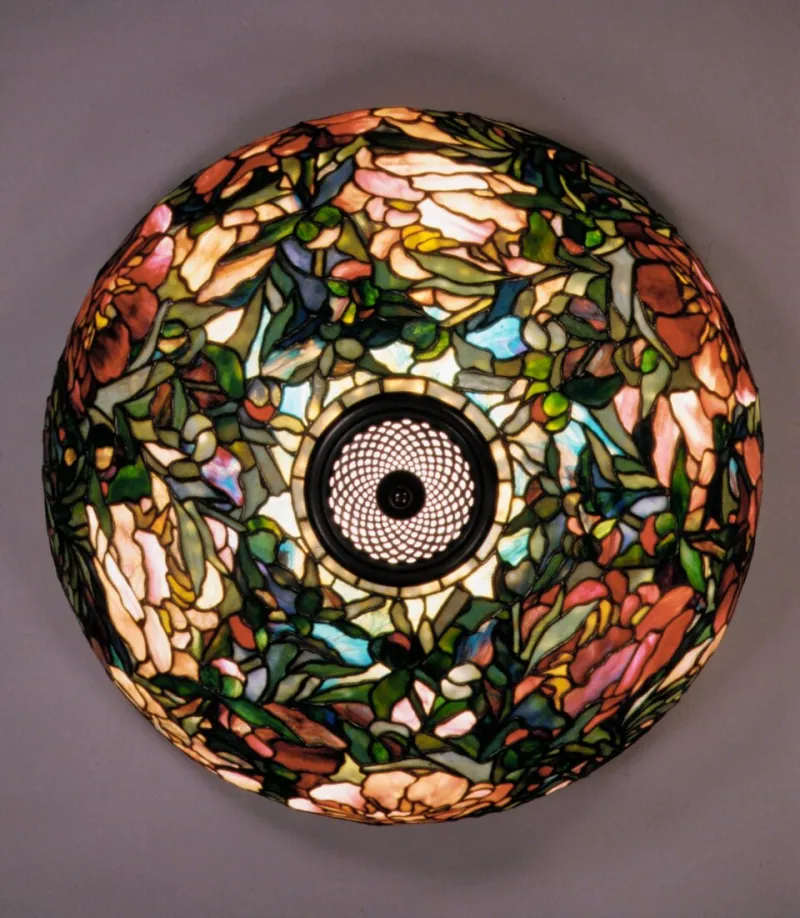
Photo: Louis Comfort Tiffany / Tiffany Studios, CC0, via Wikimedia Commons
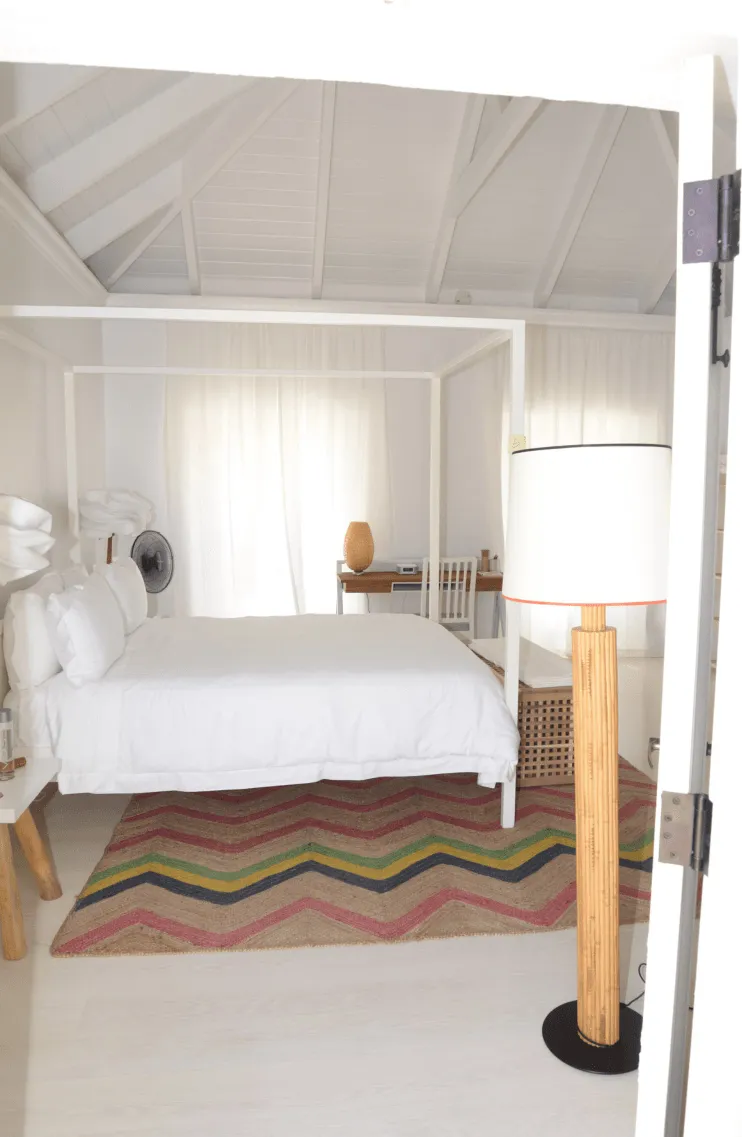
Designer floor lamps and dimming have a slightly awkward relationship. The lamp is beautiful, the shade is right, the weight is reassuring — and then you realise the only control is a foot switch that goes click, full beam, click, darkness. In a rented flat, or a period home where you would rather not chase cables into a wall, the obvious answer is not an electrician. It is a smart bulb, or a plug-in dimmer, or a careful combination of both. The trick is making the technology disappear into the lamp rather than turning a favourite piece into a gadget demo.
Start with the lamp, not the app
Before you buy anything with a wireless symbol on the box, look at the lamp you already own. Check the bulb cap — E27 and B22 are the common ones in UK floor lamps, with E14 on smaller fittings. Check the maximum wattage printed on the lampholder or label. Check whether the shade is open enough to let heat out, because even LEDs need some breathing room. And check the switch: an inline foot switch, a rocker on the cable, a touch dimmer on the body, or a simple brass push switch all behave differently when you add smart control.
If the lamp has a built-in dimmer, a smart bulb can end up fighting it. The lamp wants to reduce voltage or chop the current; the bulb wants a clean, steady supply so its own electronics can do the dimming. The usual workaround is to set the lamp’s dimmer to full and leave it there, then control brightness through the bulb’s app or remote. Touch dimmers can be fussier still. If the lamp is a simple on-off design, you are in the easy lane: leave the switch on and let the smart bulb take over.
The two sensible routes
The first route is a smart bulb. The bulb does the dimming, the lamp stays switched on, and you control it from a phone, a remote, or a voice assistant. This is the most renter-friendly option because nothing about the lamp changes. It works well in a sitting room where you want a warm pool of light at 8pm and a brighter wash when you are hoovering. The catch is that smart bulbs are not all created equal, and some are visibly less lovely than the filament bulb they replace.
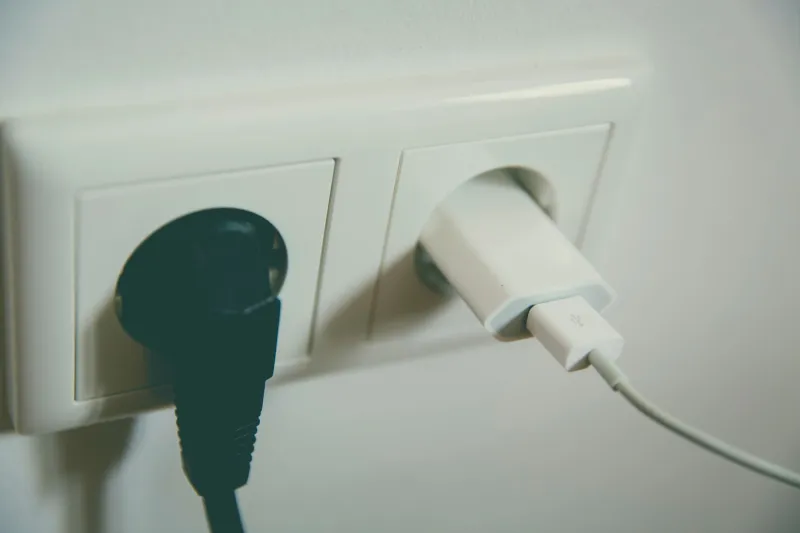
The second route is a plug-in dimmer. This sits between the lamp’s plug and the wall socket, and it dims a dimmable LED bulb by trailing-edge control. It is useful if you want a physical dial or a simple inline control rather than another app. Do not confuse it with a smart plug. Most smart plugs are on-off only. They can schedule a lamp, but they cannot dim it, and a lamp that clicks on at full brightness at 6am is not the same as a lamp that eases in.
The handshake that matters: bulb and lamp
The success of either route comes down to pairing. For a designer floor lamp, start with colour temperature. In a UK sitting room, 2700K is the safe warm white — close to the old incandescent glow, flattering to paintwork and kind to tired eyes. Cool white bulbs make a £500 lamp look like a corridor fitting. Look for high colour rendering, ideally CRI 90 or above, so the shade and the room do not go grey.
Then think about shape. If the bulb is hidden by a shade, a standard smart bulb is fine. If the bulb is on show — a common feature of mid-century and tripod lamps — choose a decorative smart filament or globe bulb that looks intentional when the light is off. Check the dimensions against the shade and the lampholder. A chunky smart bulb can poke out of a slim shade or refuse to sit straight behind a diffuser.
Finally, check dimming compatibility. Not every dimmable LED plays nicely with every dimmer. A plug-in trailing-edge dimmer is usually the gentler option for LED loads, but the bulb still needs to be marked as dimmable. If you are using a smart bulb, you are bypassing the lamp’s dimmer altogether, so the bulb’s own driver does the work. That is often the cleaner handshake in an older lamp.
Flicker, buzz and the cold shift
A dimmable lamp should feel calmer as it goes down, not more industrial. If the bulb flickers at low levels, buzzes, or jumps between brightness steps, the pairing is wrong. Cheap drivers are often the culprit. Reputable smart bulb brands — Philips Hue, WiZ, Innr, Ledvance and similar — cost more, but they tend to behave better at low output. A plug-in dimmer from a known brand is also worth the extra few pounds over an unbranded one.
Buzz usually means the dimmer and the bulb are not compatible, or the lamp is on a circuit with something noisy. Try the bulb in a plain table lamp first. If it is silent there, the dimmer is the issue. If it buzzes everywhere, return it. Flicker can also come from a lamp with a loose lampholder or a tired inline switch, especially in older homes. In a Victorian terrace or a 1930s semi, the wiring may be perfectly safe but not especially modern; adding a smart bulb does not change that, so keep an eye on any warmth, cracking or scorching at the plug.
The cold shift is subtler. Some cheaper LEDs dim towards a cooler, bluer white, which makes a cosy corner feel clinical. If warm dimming matters to you, look for a dim-to-warm bulb or stick to a good 2700K bulb that holds its colour. In a north-facing sitting room, this is the difference between a lamp that feels like a lantern and one that feels like a security light.
A renter-friendly setup, step by step
Choose the bulb first, not the app. Check the cap, the maximum wattage, the shade clearance and whether the bulb will be seen. Set the lamp’s own switch to on and leave it there. Fit the bulb, connect it to your phone or hub, and name it something you will remember — ‘corner lamp’, not ‘lamp 2’. Set a evening scene at around 30 to 40 per cent brightness, and a brighter cleaning scene if you need one. Keep the original bulb in a drawer for moving day. If you use a plug-in dimmer, make sure it is accessible and not hidden under a rug or behind a sofa where it can overheat.
Keep the character, lose the faff
The point of a designer floor lamp is not that it has an app. It is that it gives a room a centre of gravity. Smart control should be invisible: a gentle dim at dusk, a warm pool for reading, a low glow for guests. Avoid turning every evening into a colour-changing experiment unless that is genuinely your taste. In most UK homes, the best smart lighting is the kind nobody notices — they just notice that the room feels right.
If the lamp has a beautiful shade, let it keep the job of softening the light. If it has an exposed bulb, buy a smart bulb that looks good enough to leave on show. And if the technology ever feels like it is winning, remember the fallback: a dimmable LED bulb and a plug-in dimmer can be swapped back in minutes. The lamp stays. The wiring stays untouched. The evening gets a little more control.