When the Warmth Is Already There: A Floor Lamp Plan for Radiator Walls
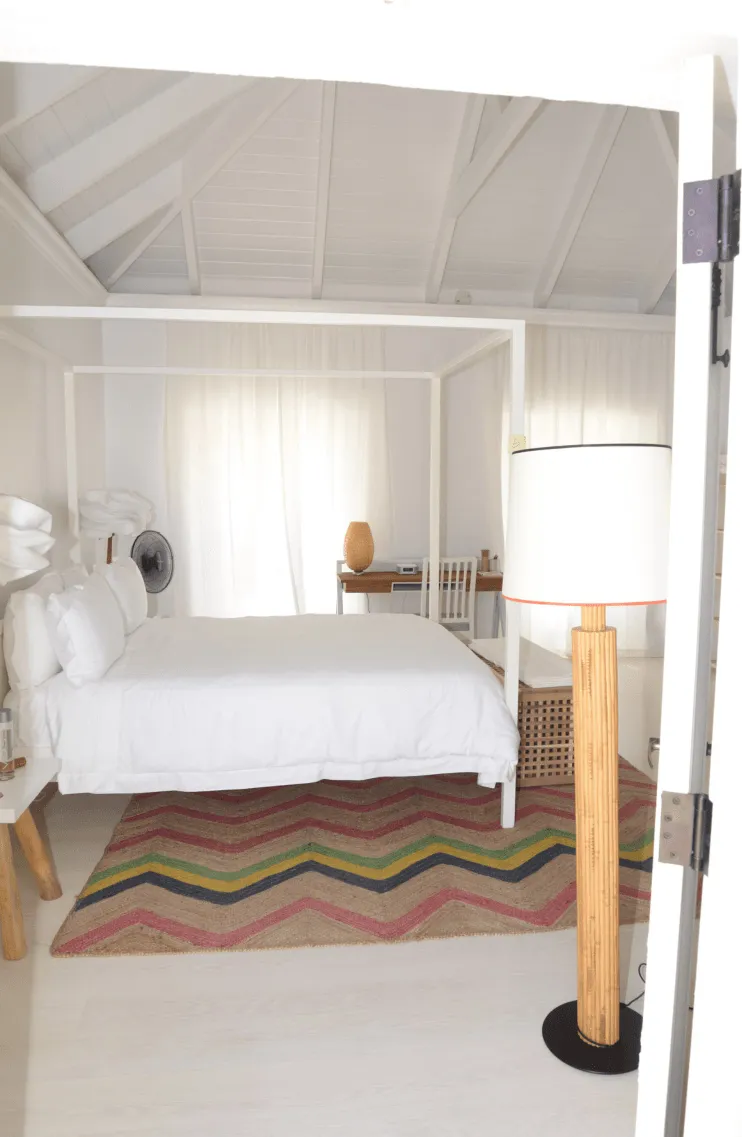
Photo: Federal Bureau of Investigation, Public domain, via Wikimedia Commons
In a lot of UK sitting rooms, the radiator got there first. It sits under the window, or along the only stretch of wall wide enough for a sofa, and the floor lamp is left to negotiate the leftover gap. The temptation is to squeeze the lamp into the nearest free patch of floor and hope for the best. That is how you end up with a shade that smells faintly of hot dust and a corner that looks like a storage solution rather than a styling decision.
The good news is that radiators and floor lamps can live together quite happily. You just need to treat the radiator as part of the room's architecture rather than an obstacle to be ignored. A little clearance, a sensible shade, a clean cable route and a deliberate composition will do more for the corner than any amount of shuffling.
Start With the Manufacturer, Then Add a Margin
Every floor lamp should come with guidance on minimum distance from heat sources, and that is the first place to look. Manufacturer instructions vary, so do not assume one rule fits every lamp. As a working rule of thumb for a radiator-adjacent position, keep at least 30cm of clear air between the nearest part of the shade and the radiator surface. Give more room, perhaps 50cm or so, if the radiator is a high-output column model, an older hot-water radiator or a heated towel rail that runs for long stretches.
That margin is not just about the shade. It also protects the fitting, the bulb and the cable. A low-wattage LED bulb runs much cooler than a halogen or incandescent one, but the shade and metalwork can still warm up over an evening. If the lamp has a fabric shade and the bulb sits close to the top, be more generous with the gap rather than less.
Also keep the radiator's thermostatic valve clear. A floor lamp pressed against a TRV can stop it sensing room temperature properly, which may make the radiator run longer than it should. The corner may look tidy, but the heating bill will not thank you.
The Shade Is the Part That Suffers First
Not all shade materials age in the same way near heat. Linen and cotton look lovely and diffuse light beautifully, but over time they can discolour, stiffen or become brittle when they are regularly warmed. Paper and parchment shades are best kept well away from radiators because they can scorch or warp. PVC and acrylic shades may soften or distort. Metal and glass are generally more tolerant, though they still get hot and should not be pressed against a heat source.
For a radiator wall, look for a shade with a bit of structure and a shape that lets heat escape rather than trapping it. A tapered shade with a wider top is often a better neighbour to a radiator than a closed drum sitting low and close. Check the lamp's maximum bulb wattage and stay well within it. A cool-running LED is the sensible default, especially in a corner that already has heat coming from the wall.
If you love a linen shade and cannot bear to swap it, give it more breathing room. Move the lamp a little further along the wall, angle the shade slightly away from the radiator and accept that the corner needs a wider footprint. That is a better outcome than a shade that quietly cooks itself over a winter.
Cable Route Matters as Much as Lamp Position
A floor lamp near a radiator is also a cable near a heat source, and that is where a lot of avoidable problems begin. Never drape the cable over a radiator, a towel rail or a hot pipe. Heat softens insulation over time, and a cable that looks fine in November may not be fine by February.
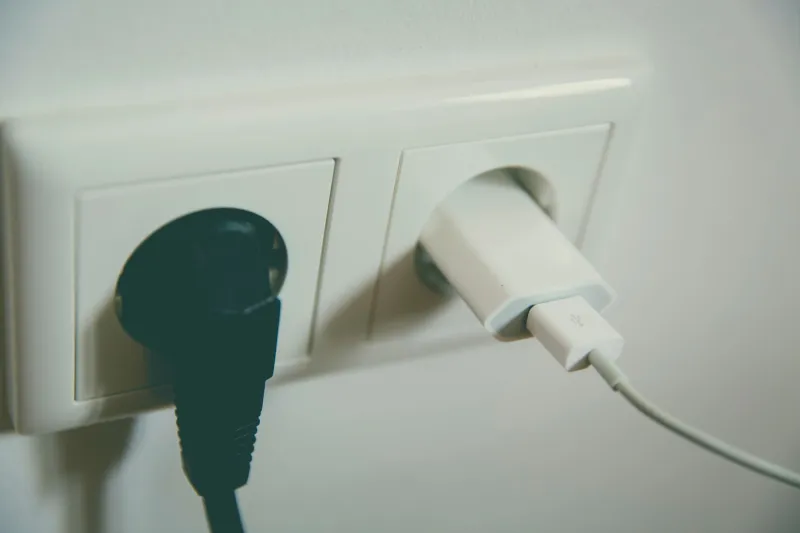
Route the cable along the skirting where possible, using cable clips or a slim cable tidy to keep it neat. Avoid pinching it behind a radiator foot or trapping it under a rug. Keep the plug accessible, and do not overload the socket with a daisy chain of adaptors. If the nearest socket is on the other side of the room, choose a lamp with a foot switch or an in-line switch so you are not reaching behind the radiator every evening. An extension lead can work, but it should be fully unwound, rated for the load and routed away from hot surfaces.
Warning Signs You Should Not Ignore
Heat damage rarely announces itself with drama. It usually starts small: a shade that has begun to bow, a faint smell of hot plastic, a patch of discolouration on the fabric, a cable that feels softer than it should. Scorch marks, brownish marks on the shade or a fitting that flickers when the radiator is on are all reasons to move the lamp immediately and inspect the parts.
Do not simply turn the damaged side of the shade towards the wall and carry on. If the cable has softened or the shade has warped, replace the affected part or retire the lamp. The corner is not worth the risk.
Making the Awkward Corner Look Deliberate
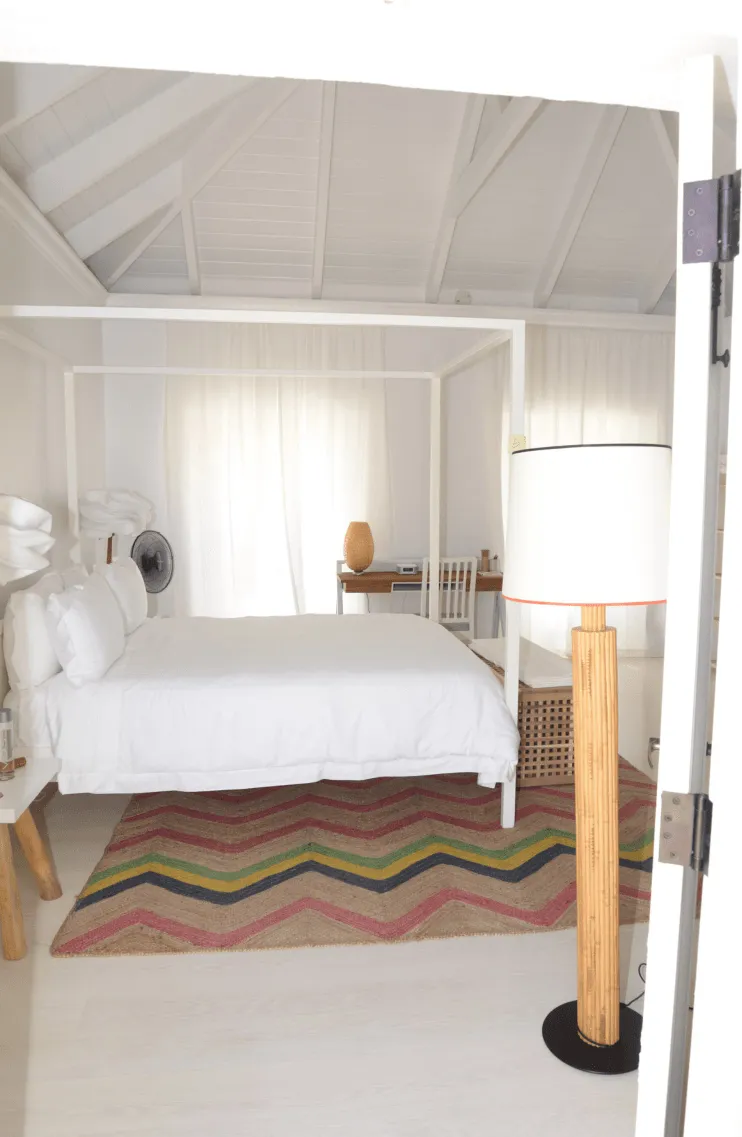
A radiator corner can look intentional rather than cramped if you give the lamp a clear job. Use it as a vertical accent at one end of the radiator rather than dead centre. A slim base and a shade that is not wider than the radiator's visual mass will keep the arrangement from feeling blocked in. If the radiator sits under a window, place the lamp to one side so the window still reads as the focal point and the lamp reads as a supporting character.
Layer the corner lightly. A narrow console, a small stack of books or a single plant can make the lamp feel placed rather than parked. Keep the floor visible around the base and do not fill every centimetre with baskets or throws. The radiator needs air to work, and the corner needs a little visual quiet to feel styled.
A Simple Test Before You Commit
Measure the clearance first, then live with the arrangement for a week. Run the heating as you normally would and check the shade and cable regularly. If the shade feels uncomfortably warm when you hold your hand near it, or if the cable is anything other than cool, move the lamp further away. A floor lamp should earn its floor space by making the room feel better, not by testing the limits of its materials.
Get the gap right, keep the cable safe and give the corner a clear purpose. Then the radiator can do its job, the lamp can do its job, and the corner stops looking like a compromise.