A Pool of Light, Not a Spotlight: Siting a Floor Lamp for Serious Reading
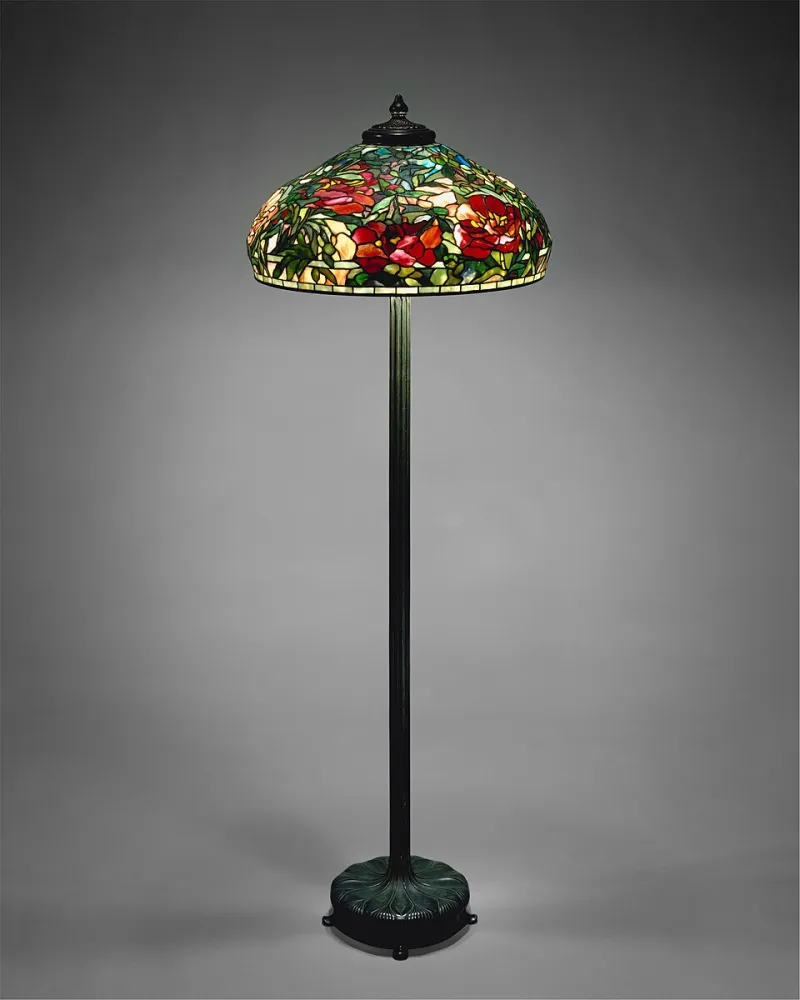
Photo: Louis Comfort Tiffany / Tiffany Studios, CC0, via Wikimedia Commons
There is a particular kind of disappointment that comes from settling into a good chair with a good book, switching on the floor lamp, and discovering that the brightest thing in the room is now your own forehead. The page sits in shadow, the bulb glares, and you spend the next twenty minutes shifting the shade with one hand while trying to hold your place with the other.
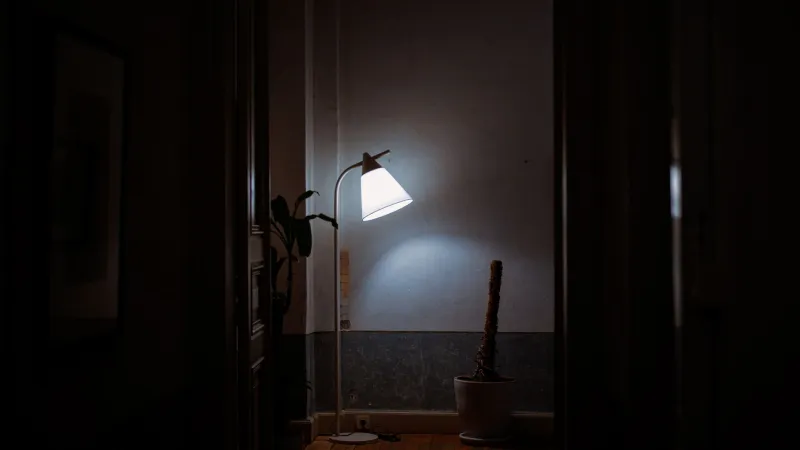
The fix is rarely a new lamp. More often it is a matter of siting the one you have with a bit more care. A designer floor lamp can be a beautiful object in its own right, but beside a reading chair it has a job to do: throw a steady pool of light across the page, keep the bulb out of your eyeline, and leave the rest of the room calm enough to relax in afterwards.
Start With the Chair, Not the Lamp
Before you move anything, sit down in the chair you actually read in. Not the one you think you should read in. Put your feet where they go, hold a book at the height you normally hold it, and notice where your eyes sit in the room. That seated eye level is the measurement that matters.
A useful rule of thumb is that the bottom edge of the lampshade should sit at or slightly below your eye level when you are seated. That way the shade itself blocks the view of the bulb, while the light spills down onto the page. If the shade is too high, you will see the bulb and feel the glare. If it is too low, the light becomes a narrow spot and your hands cast shadows across the text.
For most UK armchairs and sofas, that puts the shade bottom somewhere around 95cm to 105cm from the floor, depending on the seat height and your own height. Adjustable lamps make this easier, but plenty of fixed designs can be made to work if you choose the right chair-and-lamp pairing. The test is always the same: sit, look straight ahead, and check that you cannot see the glowing bulb.
Close Enough to Read, Far Enough to Feel Comfortable
A reading lamp needs to be near the book, but not so near that it feels like an inspection light. As a starting point, place the lamp just behind and to the side of the chair, with the shade roughly 40cm to 60cm from the page. That is close enough to give you useful light without crowding your shoulder.
Think about your dominant hand, too. If you are right-handed, a lamp positioned over your left shoulder will light the page from the opposite side to the hand doing the page-turning, which helps keep shadows off the text. Left-handed readers can reverse that. It is a small detail, but it makes a surprising difference over a long chapter.
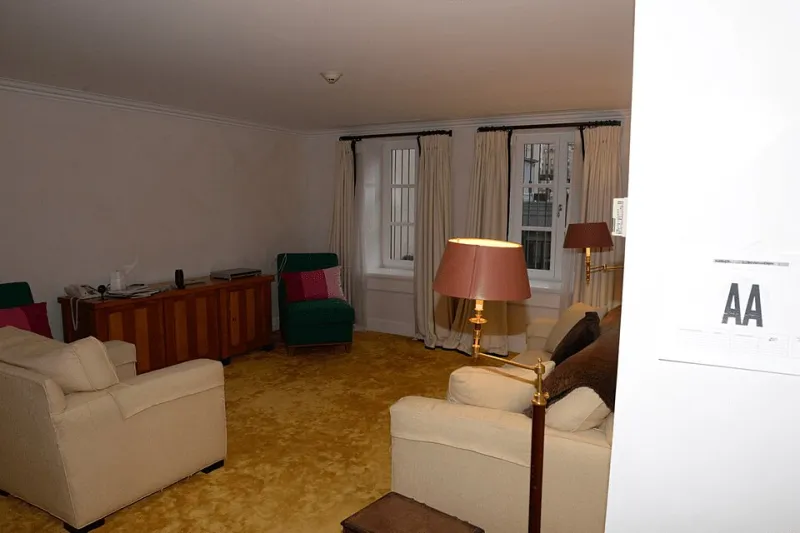
In a small sitting room, the lamp often has to tuck into the corner behind the chair rather than sit out in the open. That can work well, provided the shade still reaches over the reading position. A slim base and a shade with a little reach are more useful here than a wide, low design that looks generous but throws light in the wrong place.
Warmth and Output: The Numbers Worth Knowing
For reading, warm light is usually kinder than cool light. Look for a bulb in the 2700K to 3000K range, which gives that familiar domestic warmth without turning the page yellow. Cooler bulbs above 4000K can feel clinical in a sitting room and are rarely flattering in the evening.
Output matters more than wattage these days. A dimmable LED around 450 to 800 lumens is a sensible starting point for a shaded floor lamp used for reading, depending on how dense the shade is and how much light it lets through. A dark or tightly woven shade will swallow more light, so you may need to go up the range. A pale linen or cotton shade will spread a softer glow and may need less.
A colour rendering index of 90 or above is worth having if you read magazines, cookery books or anything with colour images. It helps ink look like ink rather than a muddy approximation. And if the lamp is going to serve both reading and relaxing, a dimmable bulb or inline dimmer is the difference between a useful reading light and a one-job lamp.
Keeping Glare Off the Page and the Telly
Glare is not just the bulb in your eyeline. It is also the bright rectangle that appears on a glossy page when the lamp is angled too directly at the paper. If you read magazines or illustrated books, try shifting the lamp a little further back or to the side so the reflection slides away from your line of sight. A shade with a diffuser or a slightly recessed bulb helps here.
If there is a television in the same room, check the screen from your reading chair with the lamp on and the TV off. You should not see a bright reflection of the shade or bulb in the glass. If you do, move the lamp outside that reflection zone or angle the shade slightly downward. In a small UK sitting room, this may mean the lamp sits closer to the chimney breast or the corner than you first planned, but it keeps the TV looking like a dark rectangle rather than a mirror.
Rented Homes and Small Rooms
Renters often have less freedom to move furniture, and plug sockets are rarely where you want them. A floor lamp with an inline switch or a smart plug can save you from groping behind the chair, and adhesive cable clips keep the flex tidy without drilling. If the only socket is across the room, run the cable along the skirting rather than across the floor where someone will trip.
In a compact sitting room, avoid putting the lamp between the chair and the door or in the main walking line. The best spot is usually the corner behind the chair, with the shade reaching forward just enough to light the page. A lamp with a weighted base is also worth considering if it sits on carpet and gets knocked as you get up.
A Five-Minute Check
Sit in the chair. Hold a book. Switch the lamp on. Can you see the bulb? If yes, lower the shade or move the lamp back. Is the page bright without feeling harsh? If not, adjust the distance or the bulb output. Do your hands cast a shadow over the text? Try swapping the lamp to the other side. Is there a reflection on glossy paper or a nearby screen? Angle the shade away until it disappears.
A reading chair does not need a dramatic lighting scheme. It needs one floor lamp, placed with a bit of patience, doing a quiet job well. Get the height and distance right, choose a warm bulb with enough output, and deal with glare before it becomes a habit. Then the lamp can go back to being what it should be beside a good chair: the thing that makes the page easy, not the thing you notice first.