Weight, Grip and the Click: A Floor Lamp Buyer’s Guide for People Who Hate Wobble
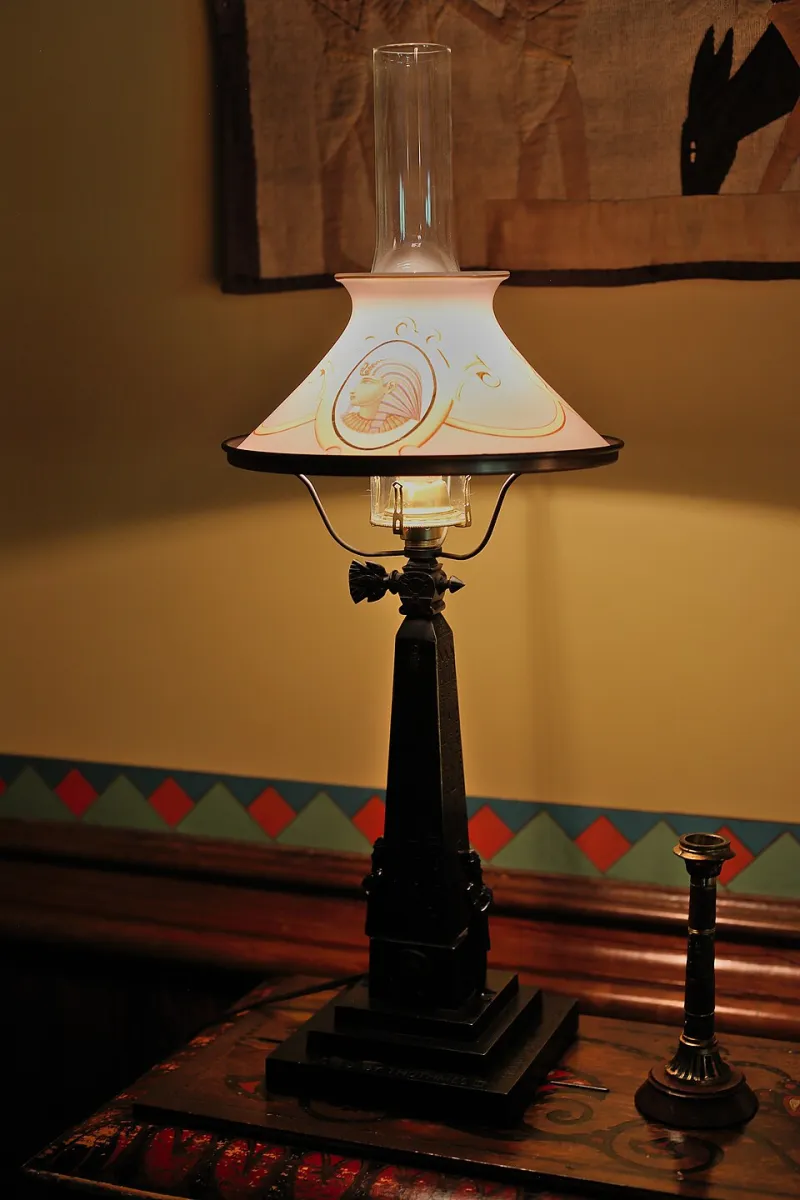
Photo: DutchTreat, CC BY-SA 4.0, via Wikimedia Commons
Designer floor lamps are usually sold on the shade. The shade is what appears in the photograph: the linen drum, the pleated empire, the little brass cone. But the base is what you live with. It is the bit that decides whether the lamp stands firm on a Victorian floorboard, whether it scratches a tiled kitchen, whether a cat can send it flying with one swipe of a tail. Before you spend designer money, put the shade down and look at the base.
This is not an argument for ugly lamps. It is an argument for buying well. A good floor lamp should feel like a piece of furniture: stable, heavy in the right places, easy to switch on, and kind to the floor beneath it. Here is the test I would run before parting with proper money in 2026.
The height-to-footprint ratio
A floor lamp is a lever. The taller the lamp, the more leverage there is at the top, and the more the base has to resist. As a rough guide, a lamp around 150cm tall wants a base at least 25–30cm across, or a weighted base that is smaller but genuinely heavy. A 180cm lamp with a 15cm base is a wobble waiting to happen, however beautiful the shade.
When you are in a shop, stand the lamp on a hard floor and nudge the top gently — no more than a couple of centimetres. It should rock back into place, not lean. If the stem flexes, walk away. If the base lifts at the edge, walk away faster.
Weight is not the same as heft
A heavy shade can make a lamp feel top-heavy, even if the base is reasonably weighty. You want the mass low down: cast iron, steel plate, marble, concrete, or a solid timber block. Hollow bases can look substantial and weigh almost nothing. Ask what the base is made of, not just how much the whole lamp weighs.
Also check the underside. A good base has a flat, stable contact area and proper feet. A bad one has a thin rim and a screw sticking out. If the base is adjustable, make sure the glides actually adjust.
Floors: oak, tile, carpet and the felt-pad question
On engineered oak or original floorboards, metal feet will mark the floor unless they have felt pads. Look for pads that are glued on properly, not stickers that peel off in a month. On tile, rubber feet are better: they grip and they do not chip the glaze. On carpet, a small base can disappear into the pile and make the lamp feel less stable, so go wider or heavier.
If you have uneven floors — and most old UK homes do — adjustable glides are worth paying for. A lamp that rocks on a wonky floor will eventually work its way loose at the joint.
Pets, children and the tail-height problem
A floor lamp in a home with a cat or a toddler needs a low centre of gravity. A heavy base and a compact shade are safer than a tall, slender lamp with a wide drum. Keep the cable short and routed against a wall, and consider a wall anchor or anti-tip strap for a tall lamp in a busy room. This is not fussy; it is basic household sense.
Glass shades and exposed bulbs are also worth a second thought in a house with small people. A warm linen shade hides a multitude of sins, including the occasional football.
The switch is a daily handshake
You will touch the switch more than any other part of the lamp. It should be reachable from the sofa, not hidden behind the shade. Foot switches are brilliant in a living room; inline switches are fine if the cable runs where you can reach it. Dimmers are worth having if you use the lamp in the evening, but check the dimmer works with the bulb you plan to use.
The click matters. A cheap rocker switch feels loose and eventually fails. A good one has a positive action. If the lamp is touch-sensitive, make sure it responds reliably and does not flicker. This is the sort of detail that separates a lifetime lamp from a wobbly mistake.
The online buying check
If you are buying online, look for the base dimensions and weight in the specification, not just the overall height. Read reviews for the words 'wobble', 'rock' and 'flimsy'. Check the returns policy. A designer lamp should not be a gamble.
What you are really paying for
You are paying for a base that does not move, a joint that stays tight, a switch that feels solid and a shade that softens the light. The name on the shade is nice. The base is what keeps the lamp in your home for twenty years.
So before you spend designer money, run the base test. Put a hand on the top, give it a gentle nudge, and ask yourself whether you would trust it with a cat, a child and a vacuum cleaner. If the answer is yes, the shade can do the rest.